
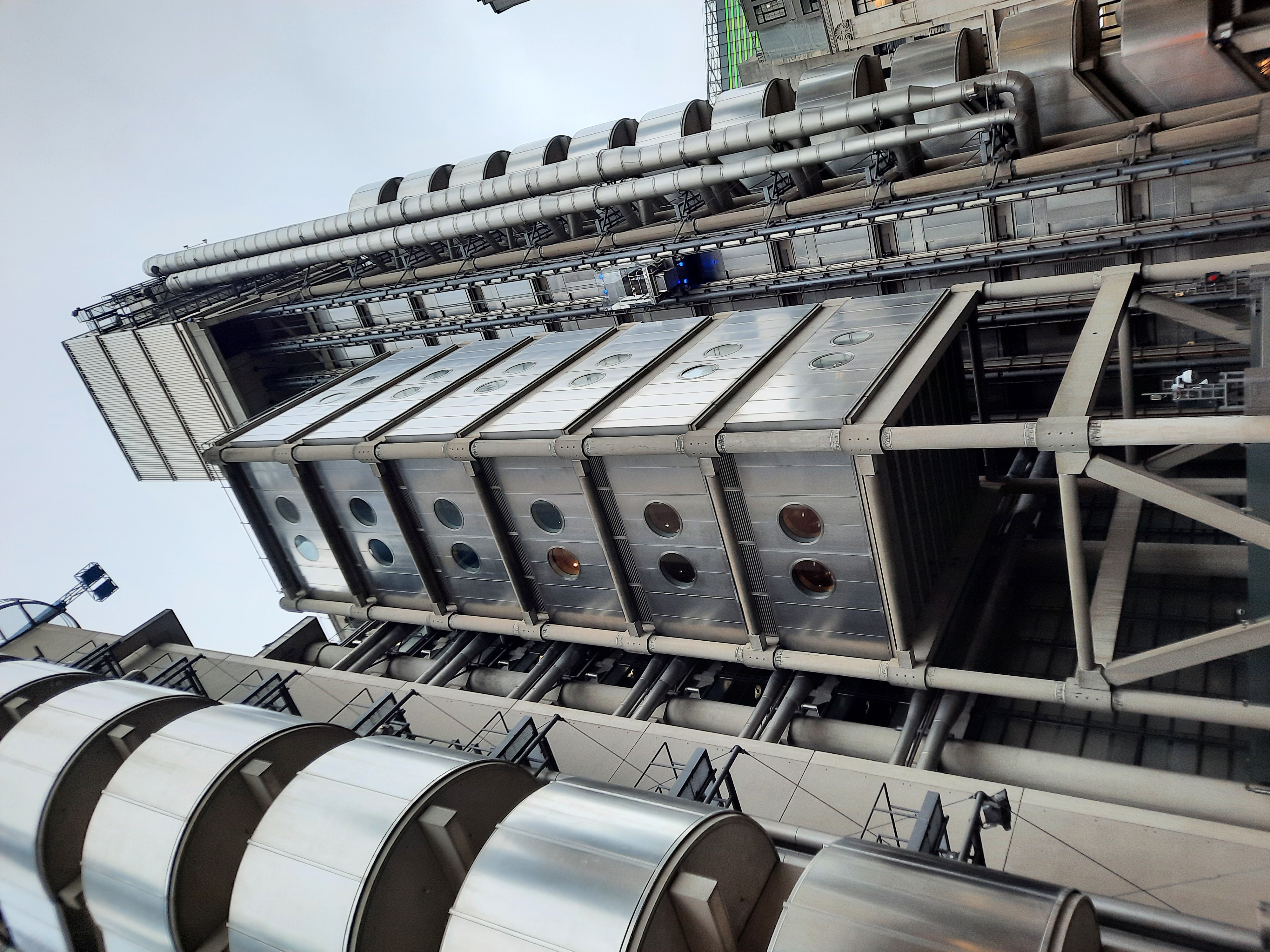
Since its completion in 1986, the Lloyd’s Building has been one of the most controversial modern structures in the City of London. Love it or hate it, you certainly can’t miss it. Designed by Richard Rogers, it dominates the cluster of buildings in the east of the City and sits at the very heart of its insurance sector. Famously ‘inside out’ it was the first Bowellist style building in the country, which means that everything you’d expect to be on the inside is on the outside. Glass lifts whizz up and down its exterior which is a winding mass of service pipes, refuse chutes and metal stairwells. But my favourite features are the shiny steel boxes, slotted into their own concrete structure on the exterior. These are the toilet pods, each with their own porthole view onto the street.
Only 2.5% of England’s approximately half a million listed buildings are Grade I and Lloyd’s is one of the youngest buildings in England to have received this level of protection. It was listed in 2011 just weeks after its 25th birthday. So, what is so special about the Lloyd’s Building that it should be ranked in architectural significance alongside St Pauls’ Cathedral, Hampton Court Palace and Tower Bridge? Well, it was recognised almost immediately as a hugely innovative modern building which became famous throughout the world, encouraging people to see the City of London in a whole new light. But it also managed to incorporate into its futuristic design the wonderful heritage of Lloyd’s of London, both the fabric of earlier buildings and centuries of tradition.
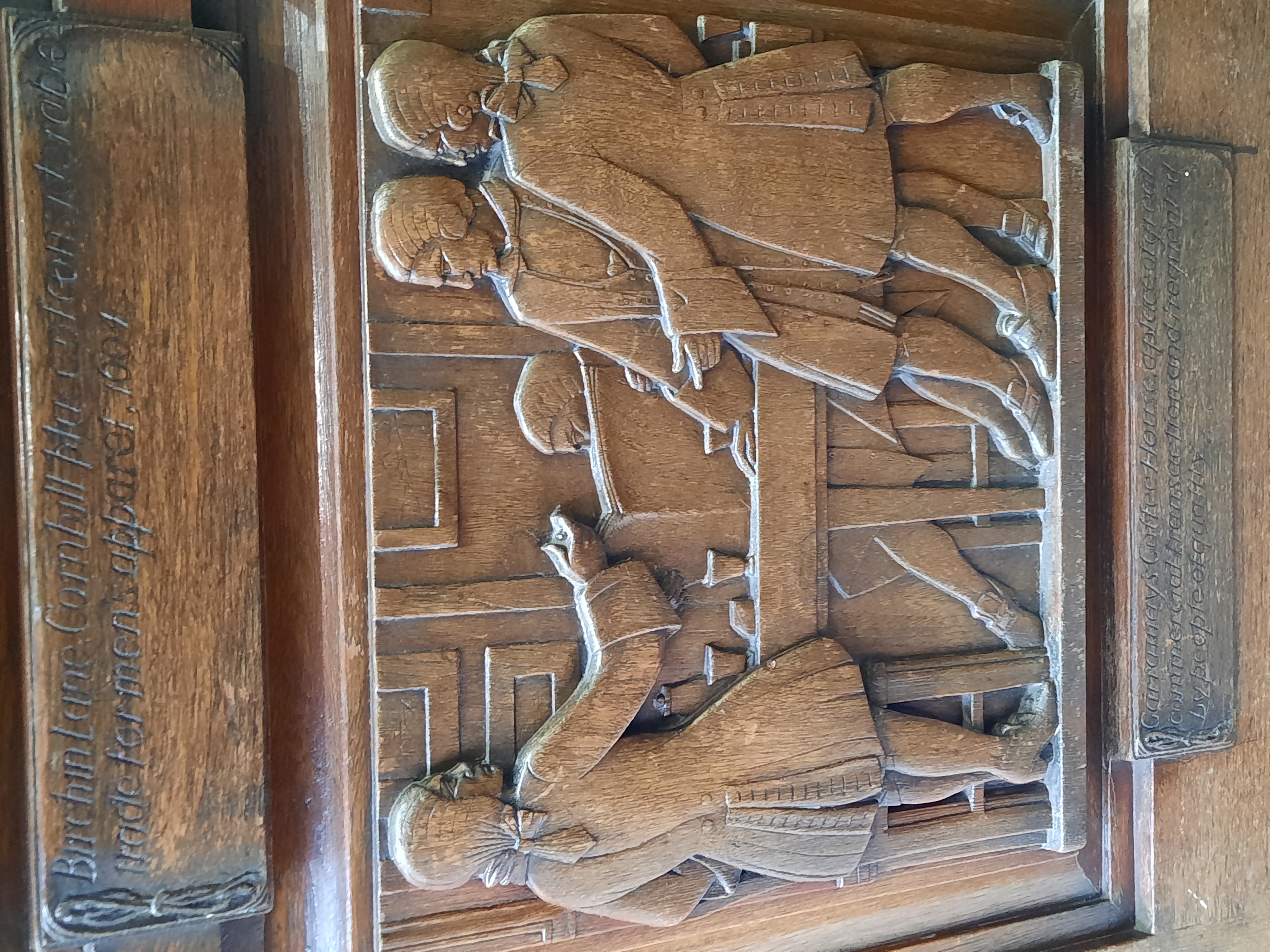
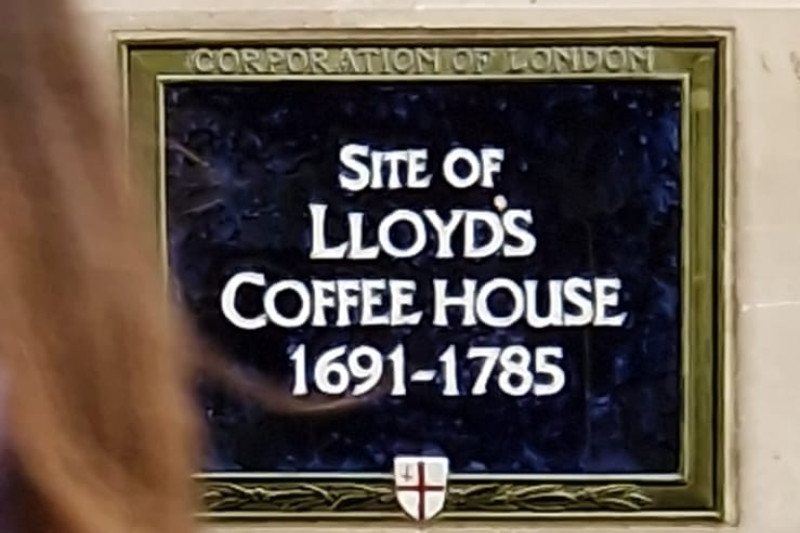
This story began nearly 300 years earlier when a Welshman called Edward Lloyd opened a coffee house in Tower Street, close to the Thames. Rapidly it became a meeting place for sailors, ship owners, merchants and the first underwriters who regarded it as a trustworthy place to get shipping news and to arrange insurance for ships and cargoes. By the early 1700s Lloyd’s had moved to the Royal Exchange and stayed there until the 1920s when it moved to its current location, the former site of the headquarters of the East India Company.
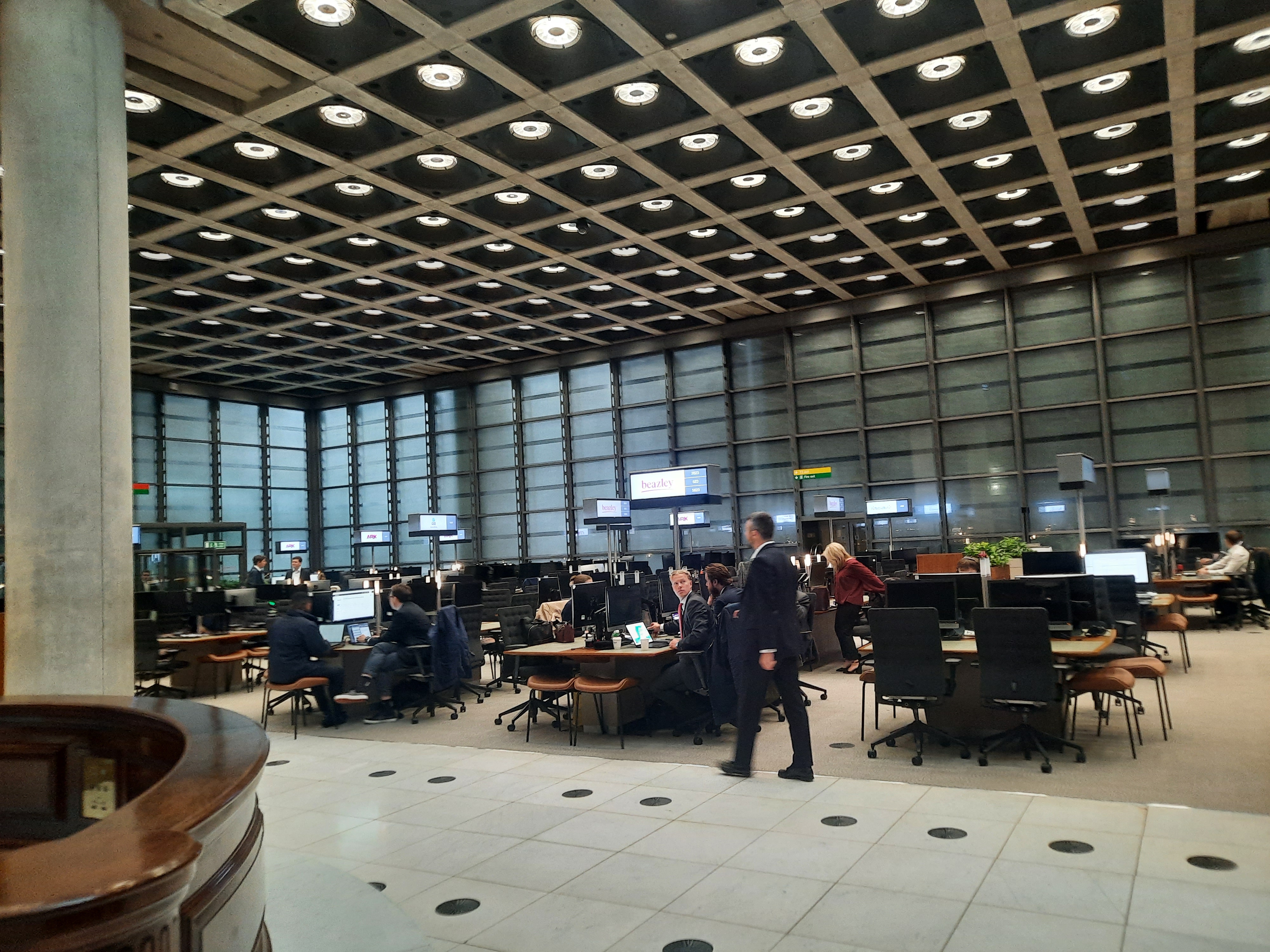
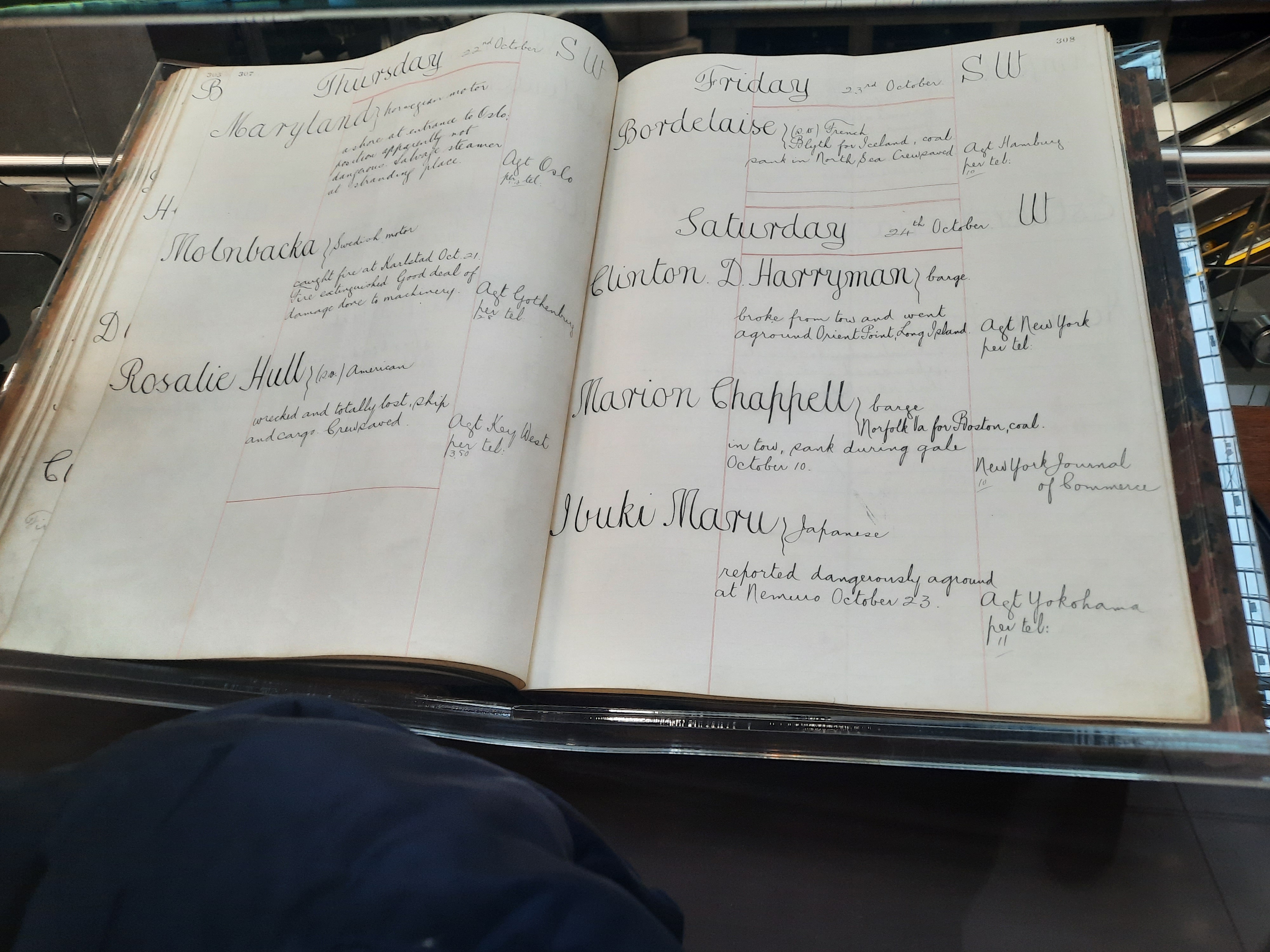
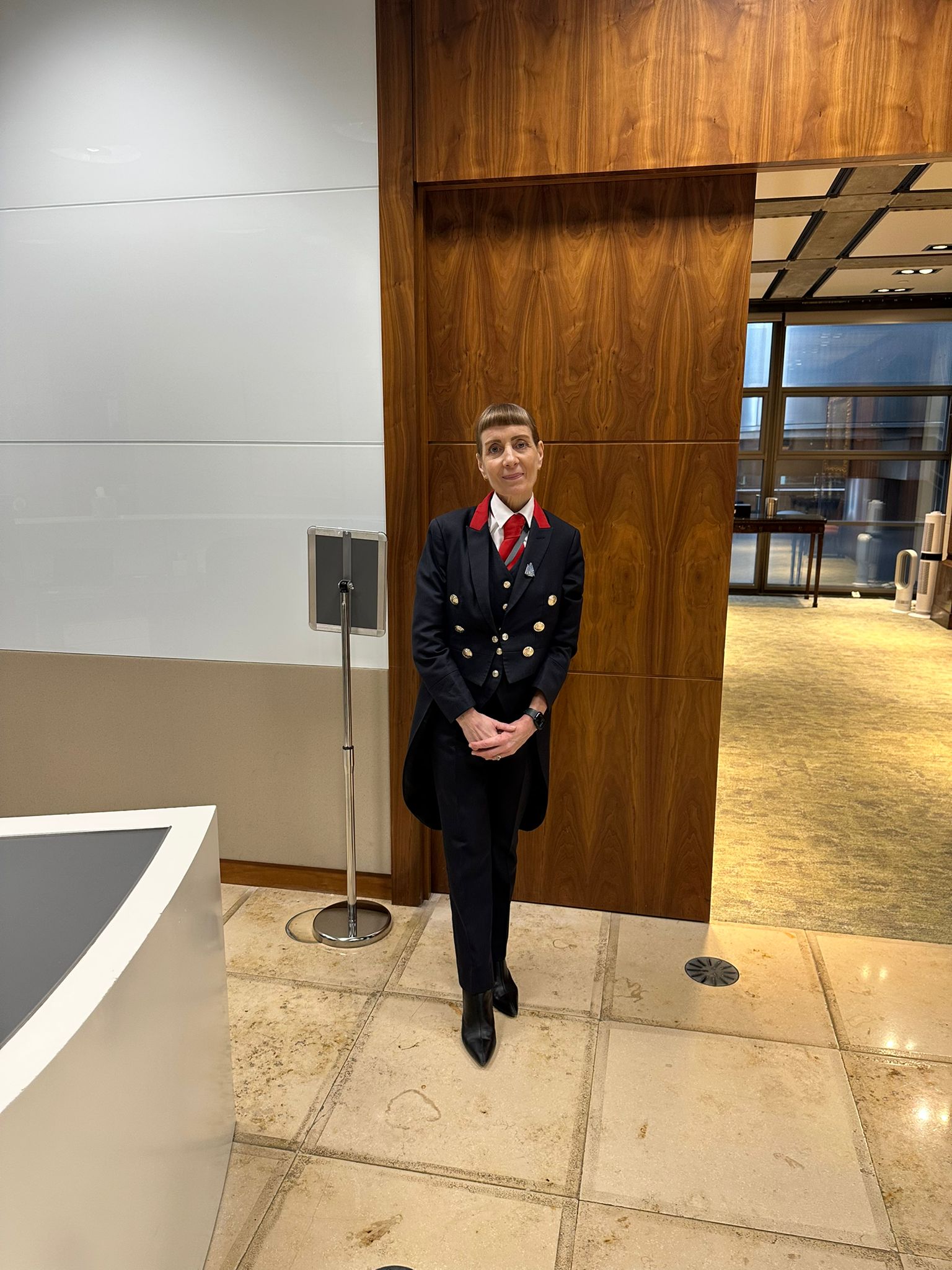
The apostrophe in Lloyd’s name is a treasured reminder of this first coffee house and its owner and once inside the Lloyd’s Building there are many nods to these historic origins. The main floor is a single open space, made possible by Rogers’ innovative design and it is punctuated by wooden booths and benches where business is done just as it was in the original coffee house. The men and women who take messages and make sure that things run smoothly are still called Waiters and their uniform of red ties and red lapels is a reminder of the original coffee house uniform of top hat, fur collar and red robe. A goose feather quill pen is still used too to record the loss of a ship in Lloyd’s official loss book. The calligrapher has to be specially trained before they are allowed to write in the book.
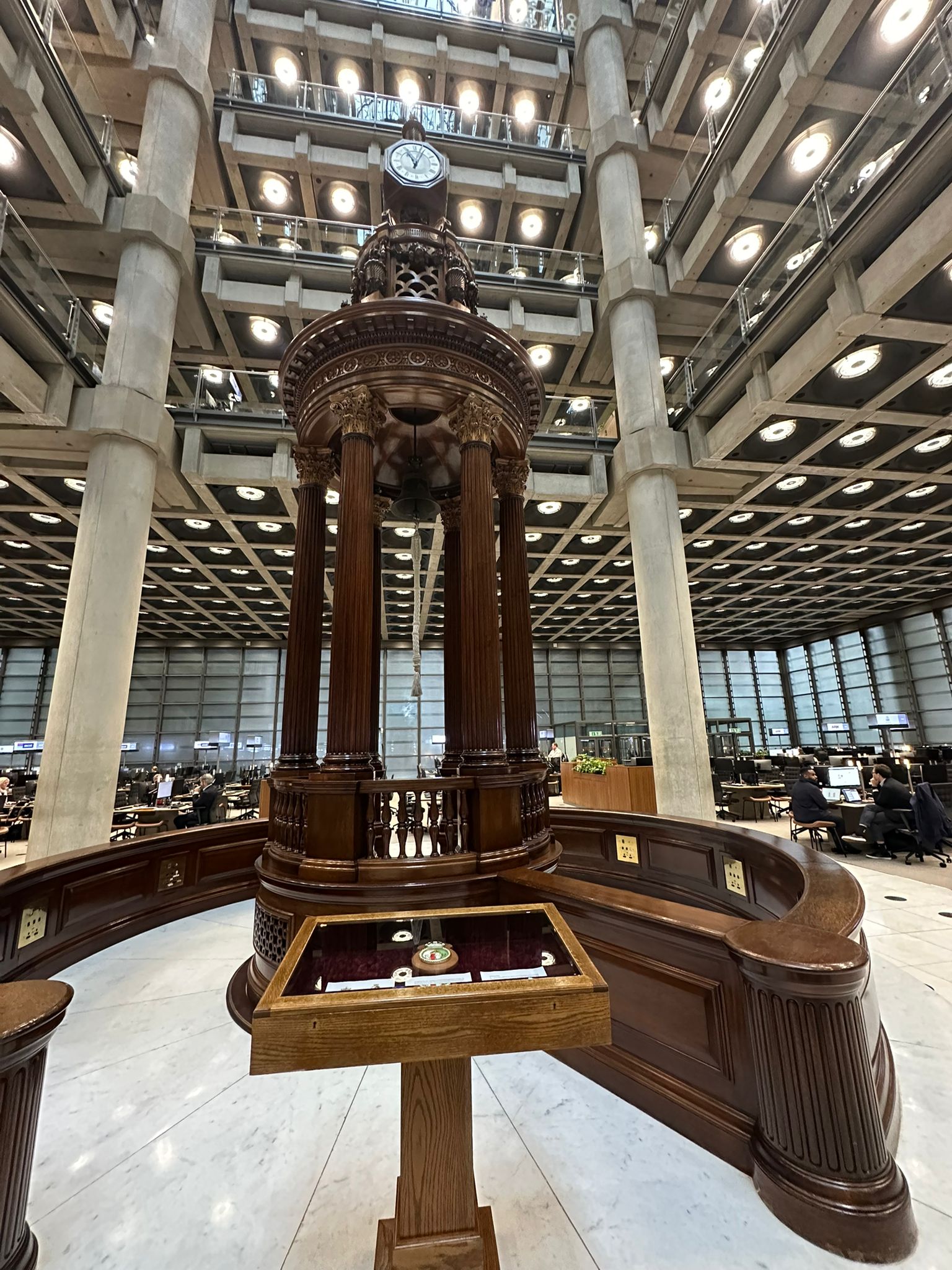
Lloyds is still a market place for trade just as it was when it started in 1688. Edward Lloyd didn’t sell insurance, he sold coffee. What he provided was a market place where his customers could buy and sell insurance policies and Lloyd’s does exactly that today. This building provides a market place where London’s insurance sector can trade. Looking around the main floor today you can see that each booth is rented by a different underwriter and brokers come to them to pitch for the best deal. In the centre of the floor is the historic Lutine bell which hangs from its original wooden rostrum. It stood on this exact spot in the 1928 building. HMS Lutine sank in 1799 and took to the sea bed a fortune in gold and silver which belonged to City merchants. Lloyd’s had insured this enormously valuable cargo and by paying in full just two weeks after the disaster proved that they could not only be trusted to pay but also that they were secure enough to fund such large payouts. When the bell was later recovered it was hung in the Lloyd’s headquarters and was rung once when an overdue ship was confirmed as lost and twice when it finally returned safely. Today it is rung on ceremonial occasions or to mark significant events, for example the death of Queen Elizabeth II.
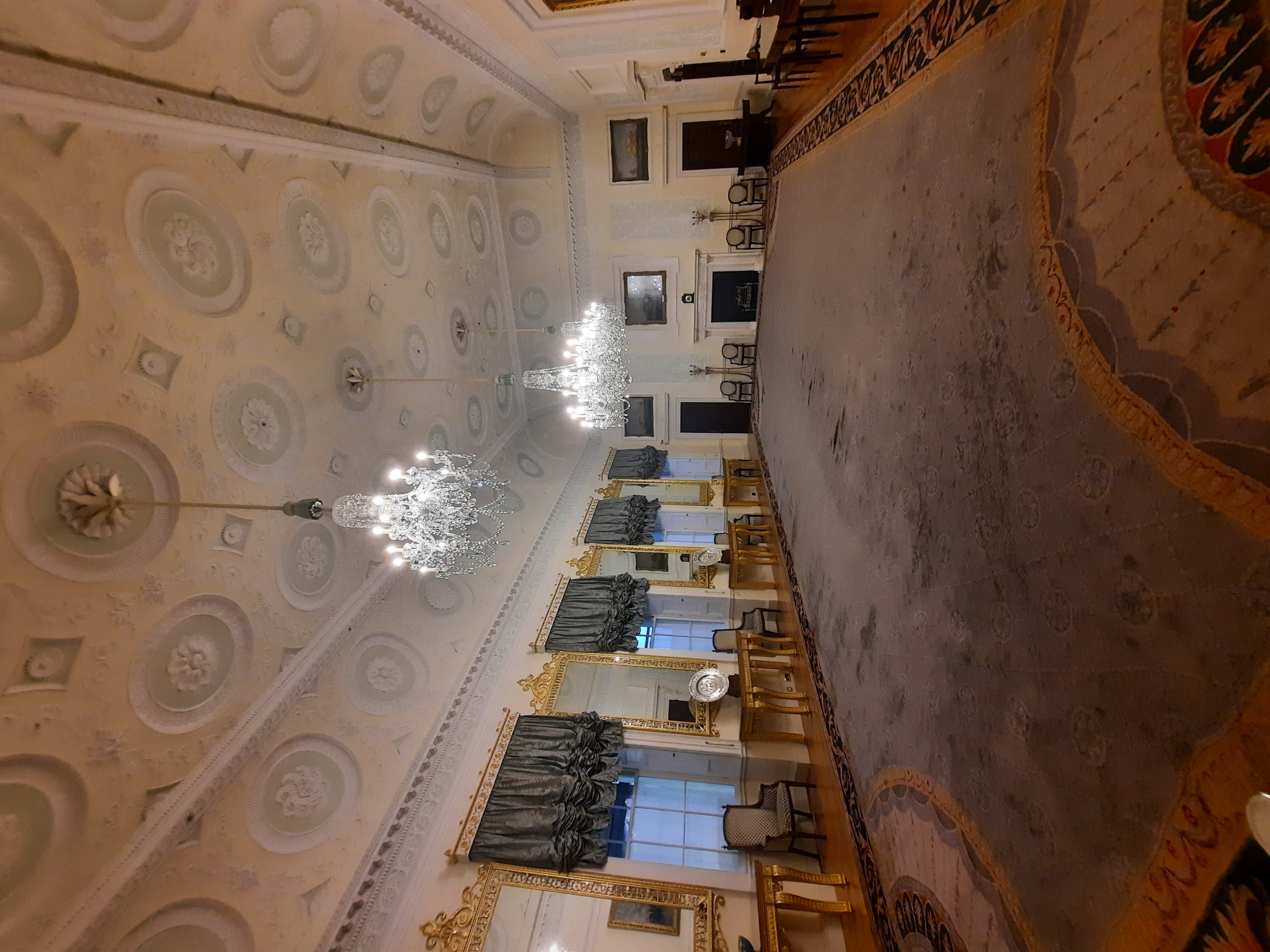
The Lutine Bell isn’t the only artefact from Lloyd’s earlier buildings on this site to be incorporated into today’s modern headquarters. You can see the stone triumphal arch which was the entrance to the 1928 building, and which has been incorporated into the steel façade on Leadenhall Street. The Library from the same building has been installed inside by Richard Rogers and is used now as a meeting room. High up in the building is an 18th century room designed by the great Georgian architect Robert Adam which includes wonderful, original decorations. Lloyd’s bought this room from Bowood House in Wiltshire so that it could be installed in their 1958 building on this site and used for dinners and meetings. Richard Rogers incorporated it into his building too and so now people visiting it have the unusual experience of looking out through Georgian windows from a futuristic 1986 building. Visiting these historic spaces is even more surreal when to get there you pass through the 12-storey high glass and metal atrium, the largest open atrium in Europe.
Today Lloyd’s specialises in high-end, idiosyncratic risk. The stories you may have heard of insuring body parts such as David Beckham’s legs and Bruce Springsteen’s voice and disasters like the sinking of the Titanic are true. It’s also true that it has underwritten policies for protection against vampire and werewolf attacks as well as the zombie apocalypse. Lloyd’s is a constantly evolving institution and the Lloyd’s Building perfectly encapsulates its historic past and its future at the cutting edge of insurance. Long may this iconic building continue to tell its stories!
Money Talks tour
Join us and take a fascinating journey from the City's humble financial beginnings in 17th century coffee houses to the financial powerhouse that it is today.
The Famous Square Mile - A City within a City tour
Join us as we explore the history, buildings and open spaces of the City of London.